


jljl110 | Exploring the Diverse World of Simulation Games
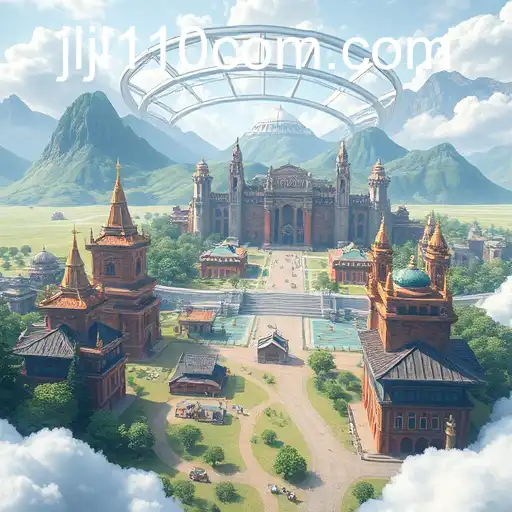
Simulation games have carved a unique niche in the gaming landscape, offering players the opportunity to explore and enact scenarios from real life and beyond. The genre is renowned for its capability to recreate environments and situations, ranging from the intricacies of running a city to the precision of operating spacecraft, offering a wealth of experiences that blur the line between education and entertainment.
The allure of simulation games lies in their ability to provide immersive experiences that challenge players’ strategic thinking and problem-solving skills. From the early successes of titles like 'SimCity', which allowed players to manage the growth of a city, to modern-day sensations such as 'The Sims', where life management is quintessential, simulation games continue to evolve and expand. They cater to diverse interests, including agricultural undertakings in 'Farming Simulator', where players can manage crops and livestock, or the complexities of flying in 'Microsoft Flight Simulator', which offers a near-authentic piloting experience.
For those who are keen on replicating real-world scenarios as closely as possible, simulation games provide a sandbox to test theories and devise strategies in a controlled environment. This feature has made them valuable tools in educational contexts, bridging theoretical knowledge with practical application. Games such as 'Kerbal Space Program' introduce players to the challenges of aerospace engineering and space exploration, encapsulating the thrill of interstellar discovery within a malleable game environment.
The scope of simulation games is vast, extending into niche subjects that might not have been considered viable in traditional gaming formats. New technological interventions, like virtual and augmented reality, are further pushing the boundaries, propelling the genre towards even more lifelike experiences. Players are constantly seeking more intense and authentic experiences, leading developers to innovate and refine their games to match these desires.
Communities within simulation games are also notable, as players often share modding content and tips, collectively contributing to the games' longevity and diversity. This participatory culture not only enhances the gameplay experience but fosters a sense of community among players.
In conclusion, simulation games offer a diverse range of experiences that cater to various interests and learning objectives. They continue to expand their realms and possibilities, inviting both casual gamers and enthusiasts into meticulously crafted worlds. Whether managing the dynamics of a bustling city or embarking on interstellar quests, simulation games remain a beloved genre, continuously pushing the envelope of what's possible in the gaming world.
